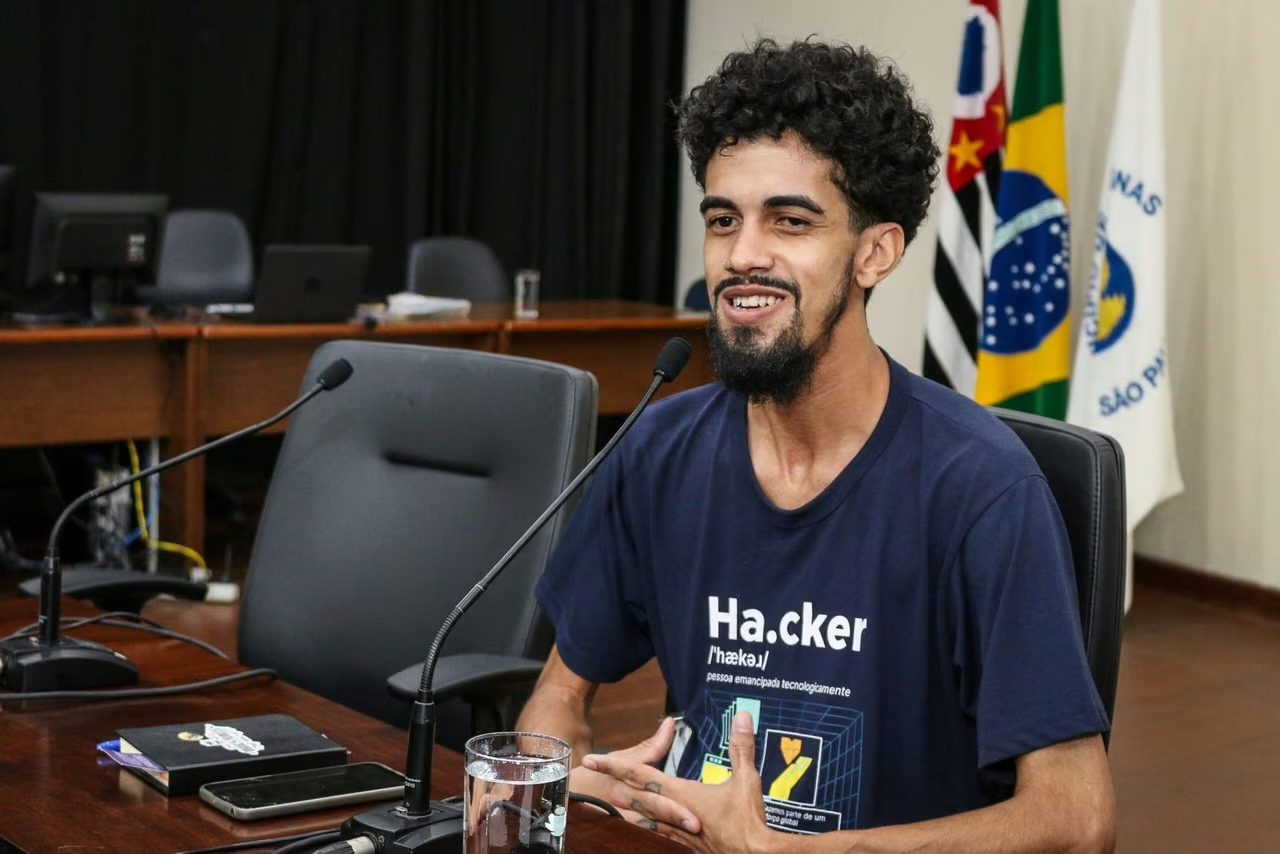
Marcelo Oliveira (Dustin Maia), artist, music producer, entrepreneur, and project manager
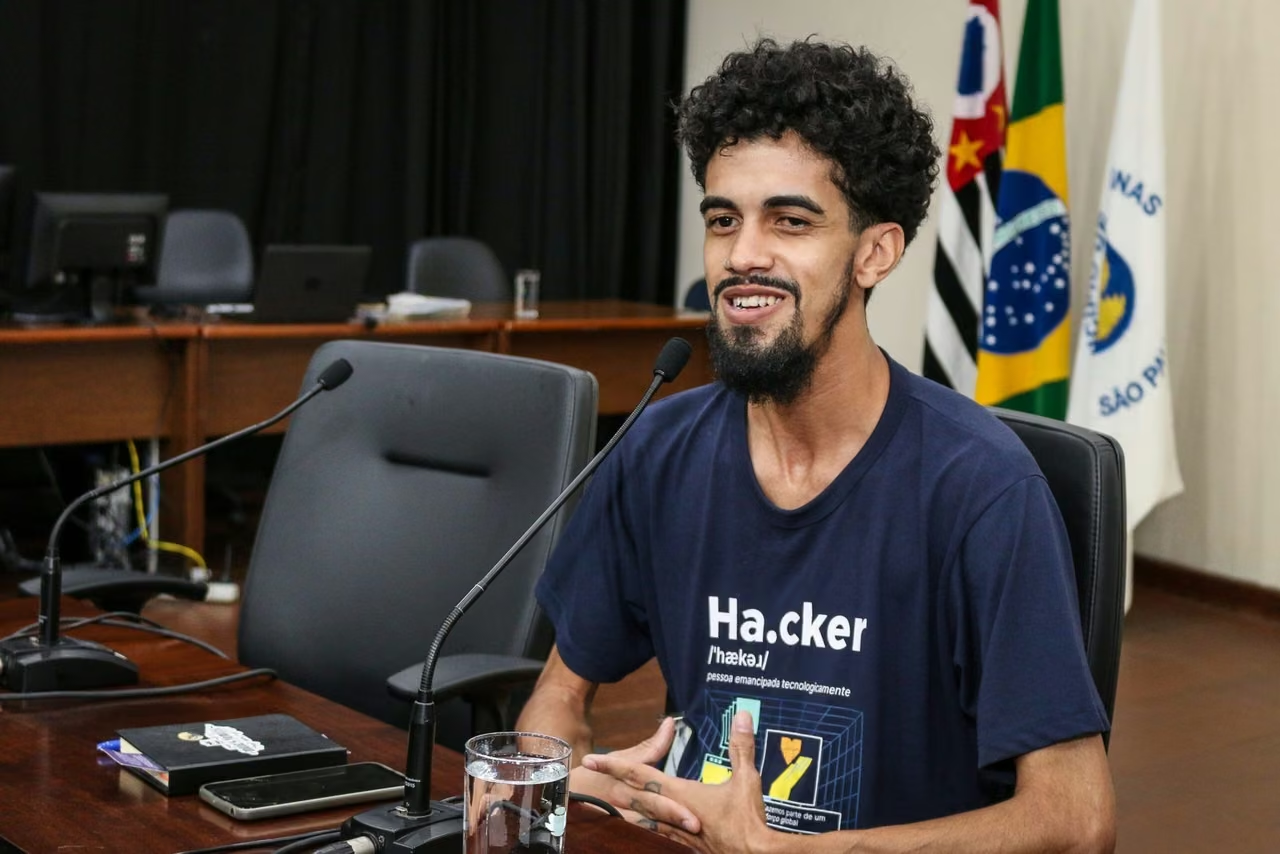
This story didn’t start in a planning meeting, nor inside a social organization. It started by walking through the neighborhood, on an unannounced visit to the Casa de Cultura Itajaí.
That was where I met Lyneker Keroake, a DJ and music producer from Parque Itajaí, and Isabel, a cultural manager, social worker, and co-founder of Casa Hacker. The conversation started like so many others that had happened before between people living in the outskirts and trying to make culture happen even when everything feels improvised.
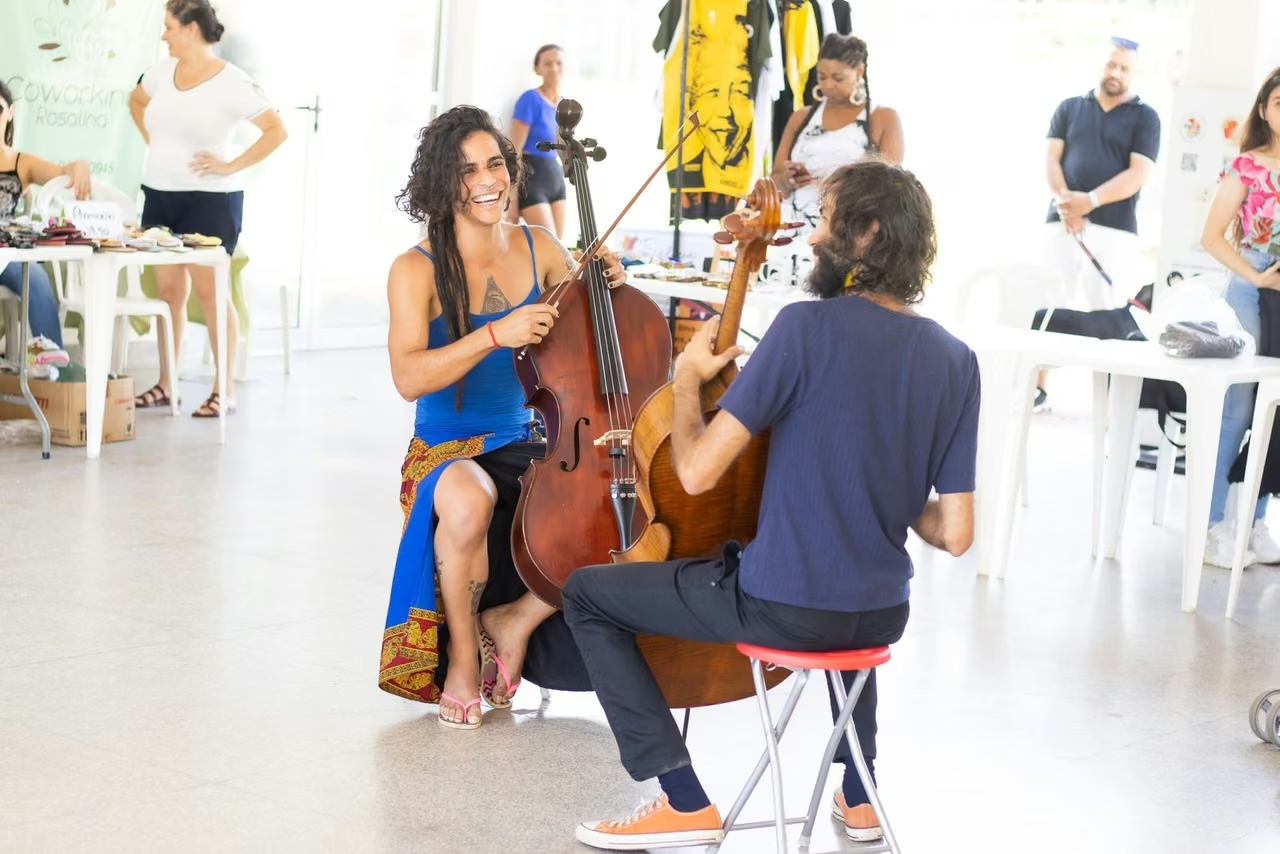
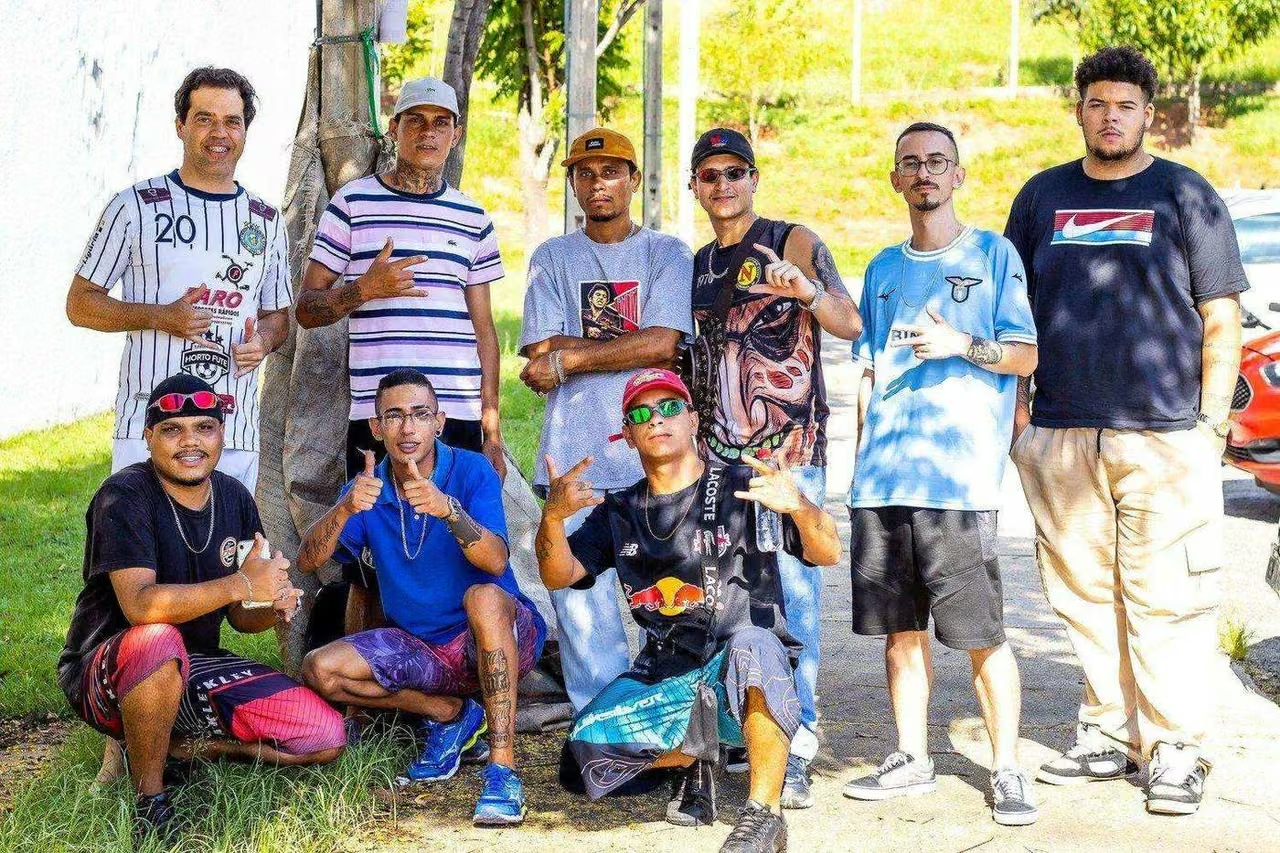
That day they told me about a community that had been fighting for many years to put the neighborhood on the city’s cultural map. Music, events, free workshops, gatherings born from the desire to transform the place where we live.
That wasn’t very different from what I had already been doing. The difference was that, in that encounter, something started to make sense in a new way.
My name is Marcelo Oliveira, but almost everyone knows me as Dustin Maia. I am an artist, music producer, entrepreneur, and currently work as a project manager at Casa Hacker. Since 2022 I have been part of the organization more directly, first coordinating the Quebrada em Movimento Hub and, more recently, the Integração Hub, a project that articulates hubs installed in three peripheral territories of Campinas, in Amarais, Campo Grande, and Oziel.
My relationship with impact projects didn’t start today. Since 2016 I have been involved in initiatives that seek to transform realities through art, knowledge exchange, and the creation of opportunities within communities. At the time I didn’t yet have clarity that this was part of a larger network of impact leaderships. For us, it was simply the desire to make something happen.
Only later did I understand that that set of actions, often carried out voluntarily, was part of a collective effort toward social justice. For me, social justice has always meant something very concrete: guaranteeing equal opportunities and access for all people.
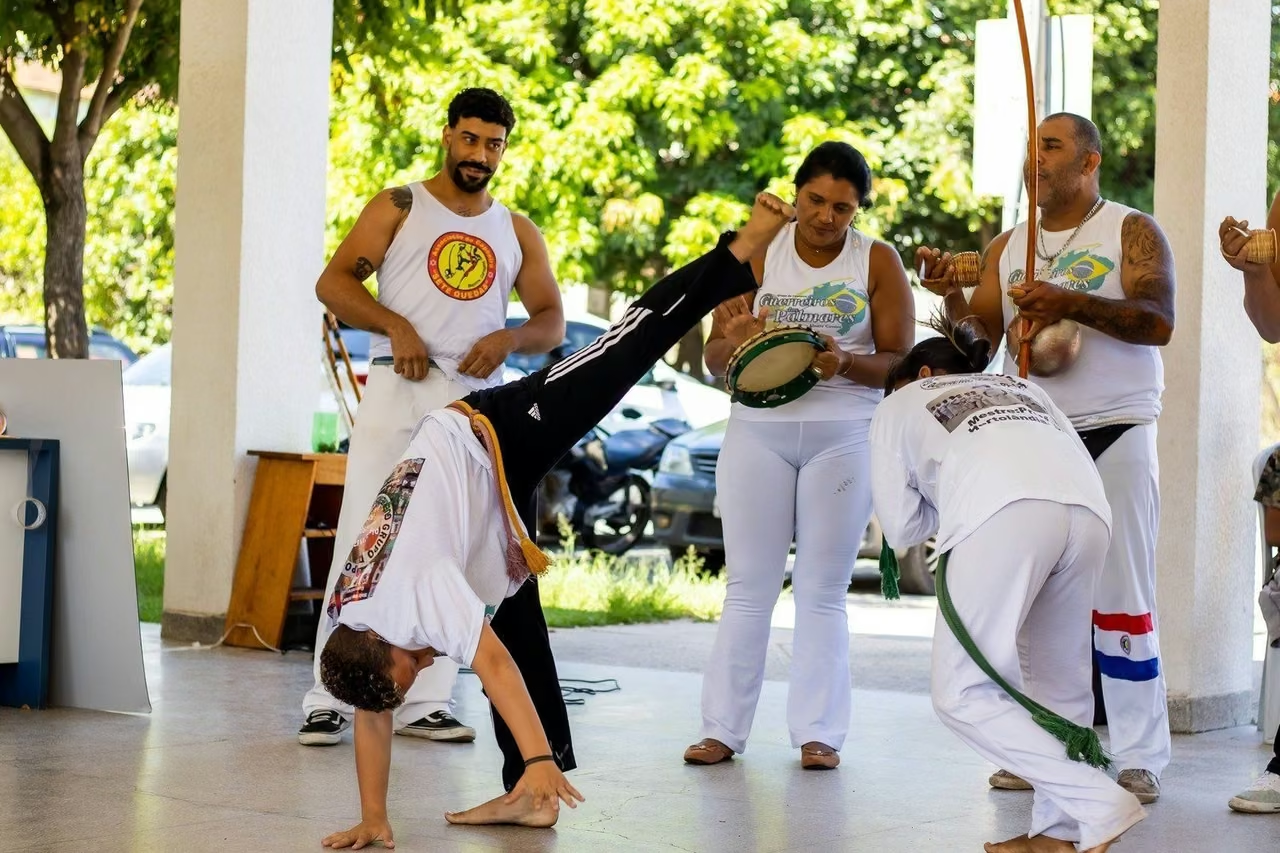
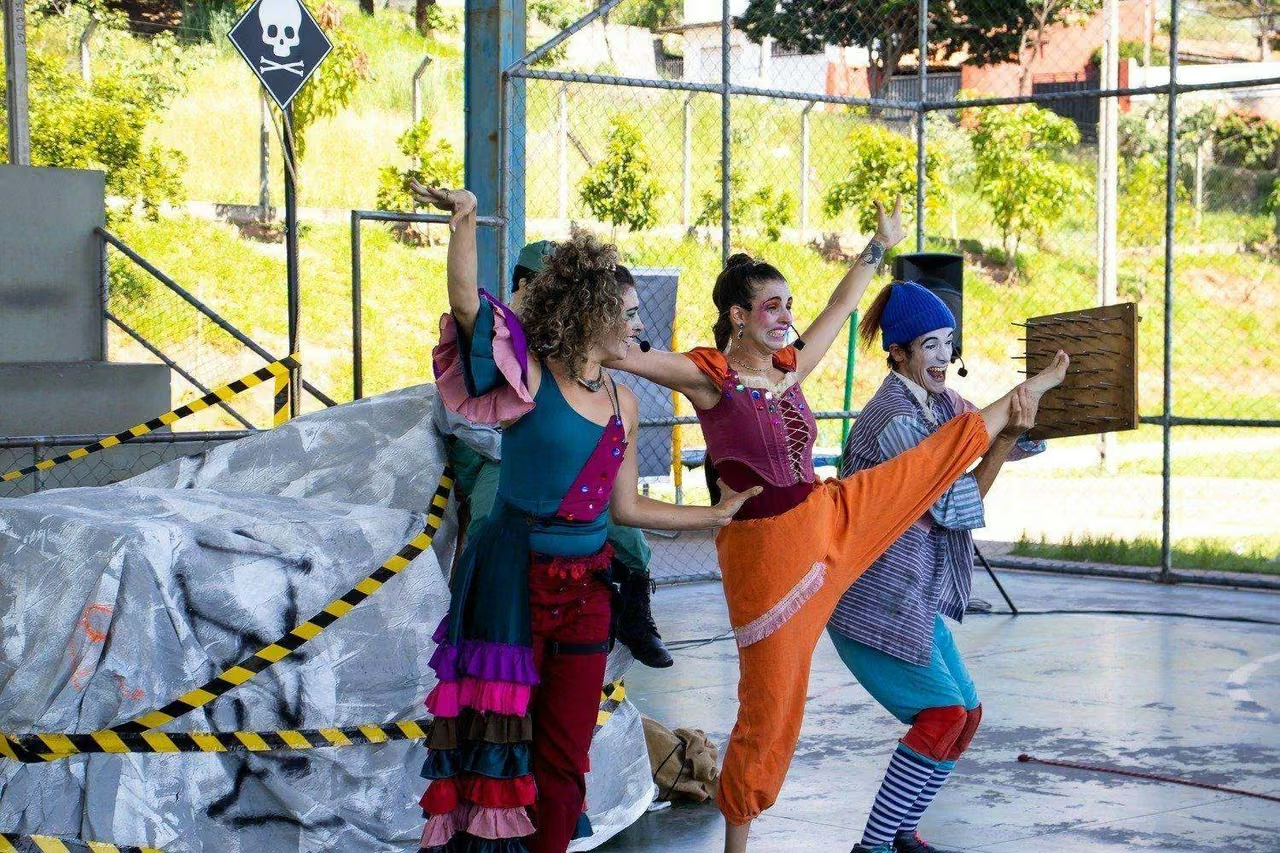
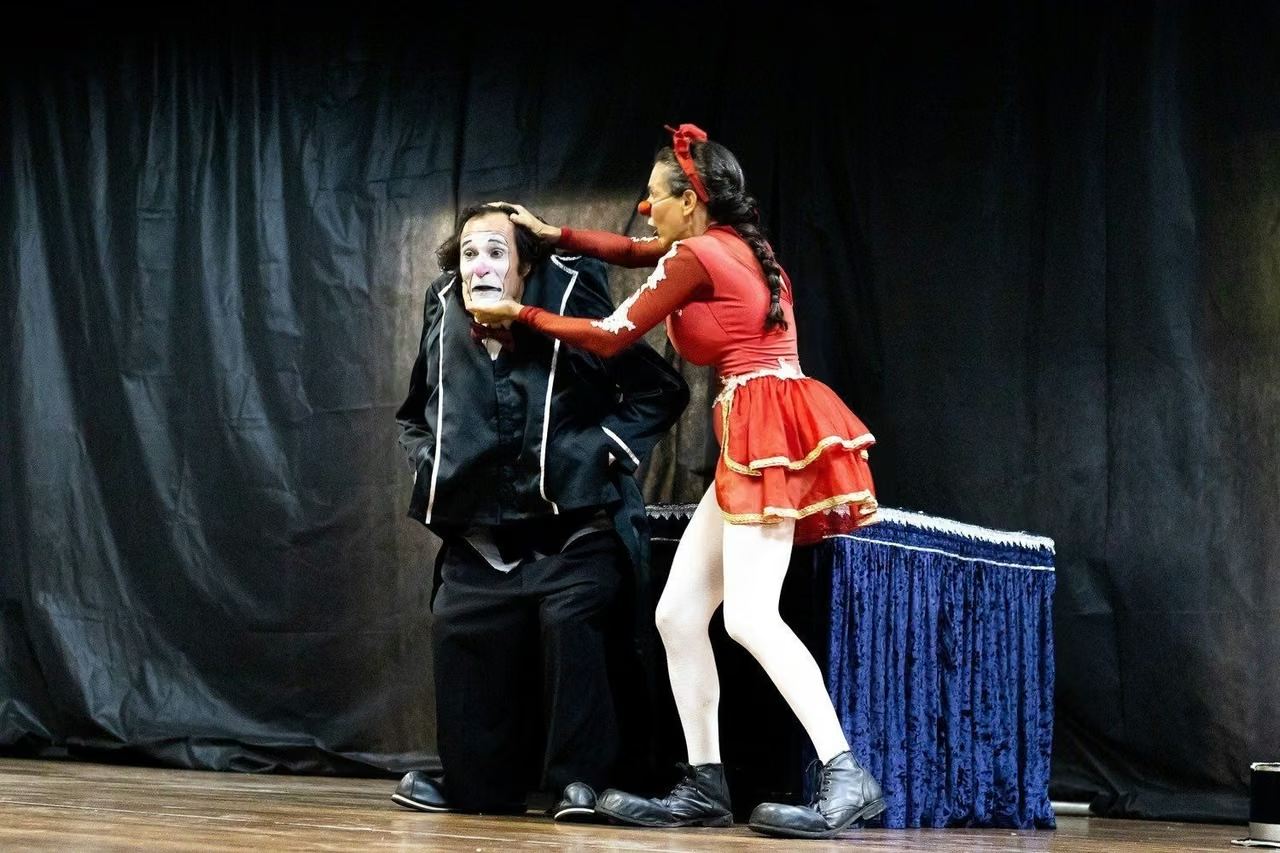
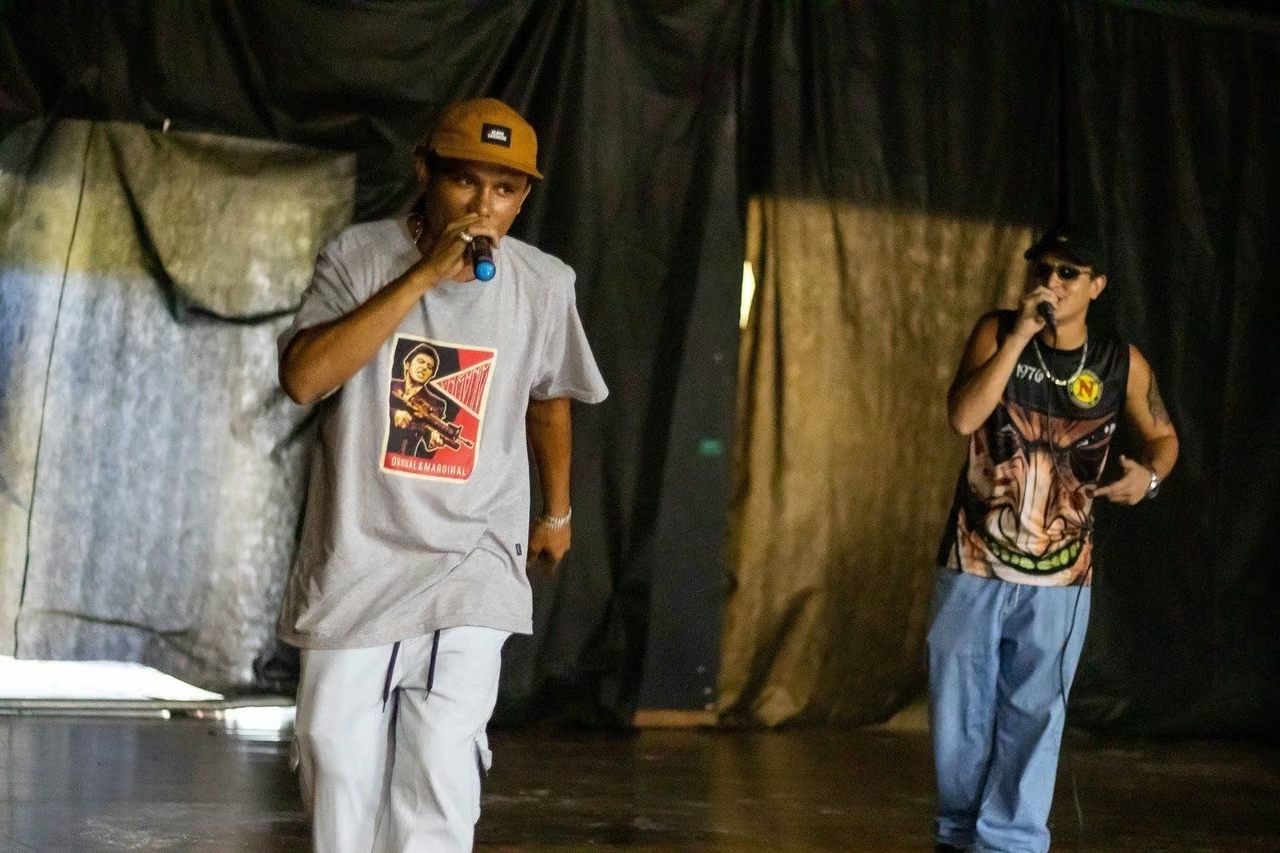
For many years my routine was tied to cultural production, music, event organization, and holding free workshops. We did it because we believed in it. We did it even when resources were scarce, when recognition didn’t come, and when it seemed like everything depended solely on the persistence of those right there in the territory.
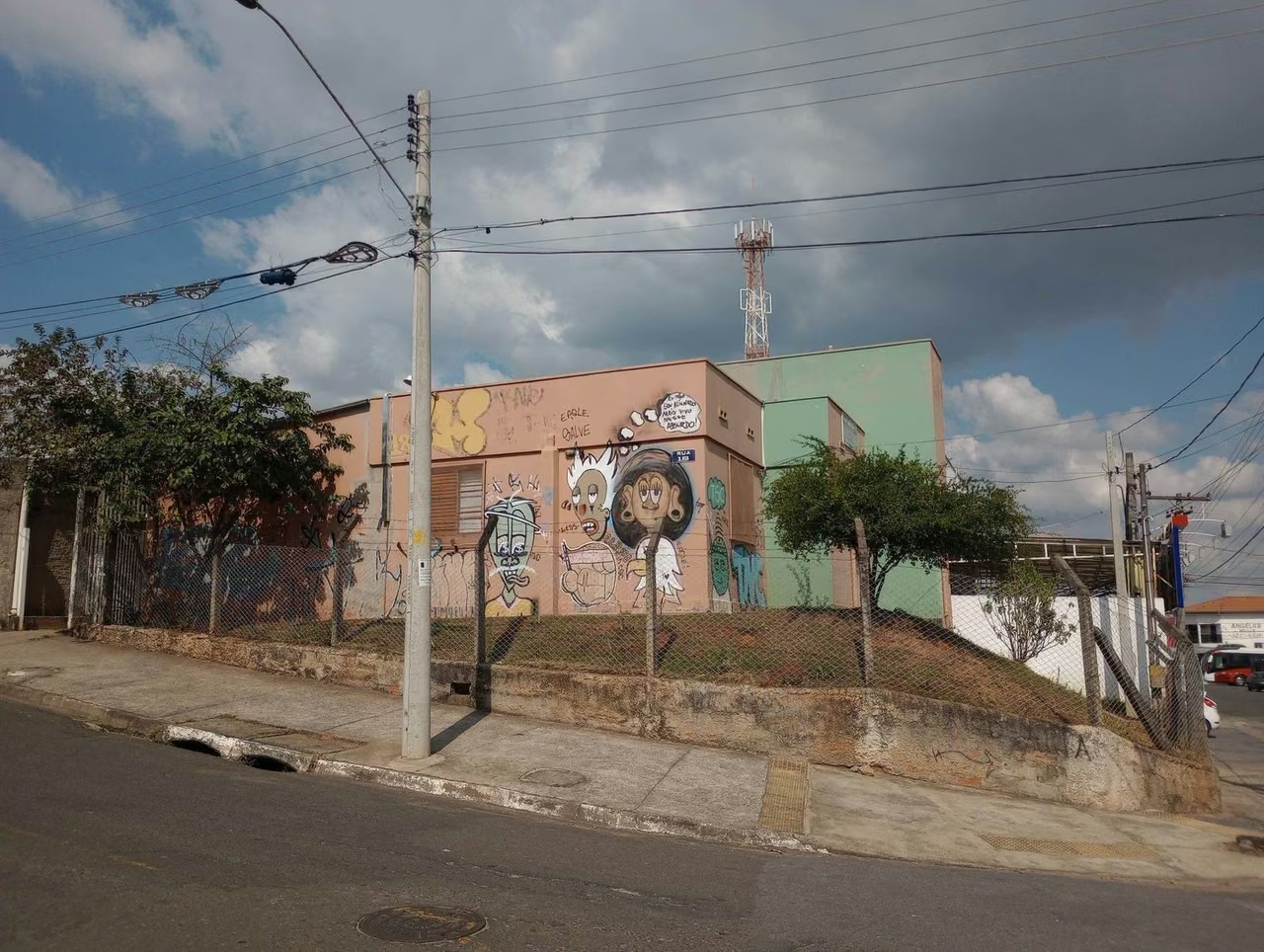
It was on one of those walks through the neighborhood that I got to know an important part of this story. On an unannounced visit to the Casa de Cultura Itajaí, I met Lyneker Keroake, a DJ and music producer from Parque Itajaí, and Isabel Barbosa, cultural manager, social worker, and co-founder of Casa Hacker. It was in this meeting that I began to hear about a network of people who had long fought for the same ideals that drove us to make music and organize cultural activities. There was a collective desire to put the neighborhood on the cultural map of the city, the state, and, who knows, the country.
That same day I had the feeling of entering a universe of possibilities. For the first time I met people who were able to name feelings and desires that were part of my daily life. But that wasn’t the only thing that impressed me. That network also possessed methodologies, tools, communication channels, and clear ways of participating. There was a way of organizing what we were already doing intuitively.
To me that was almost magical. For a long time I dreamed of formalizing the structures we had been building with so much effort. Whenever this subject came up, however, someone would say that would be too much bureaucracy or that we might lose our freedom.
The encounter with Casa Hacker showed me that organization doesn’t have to be the opposite of freedom. On the contrary, it can be precisely the path to sustain what we believe in.
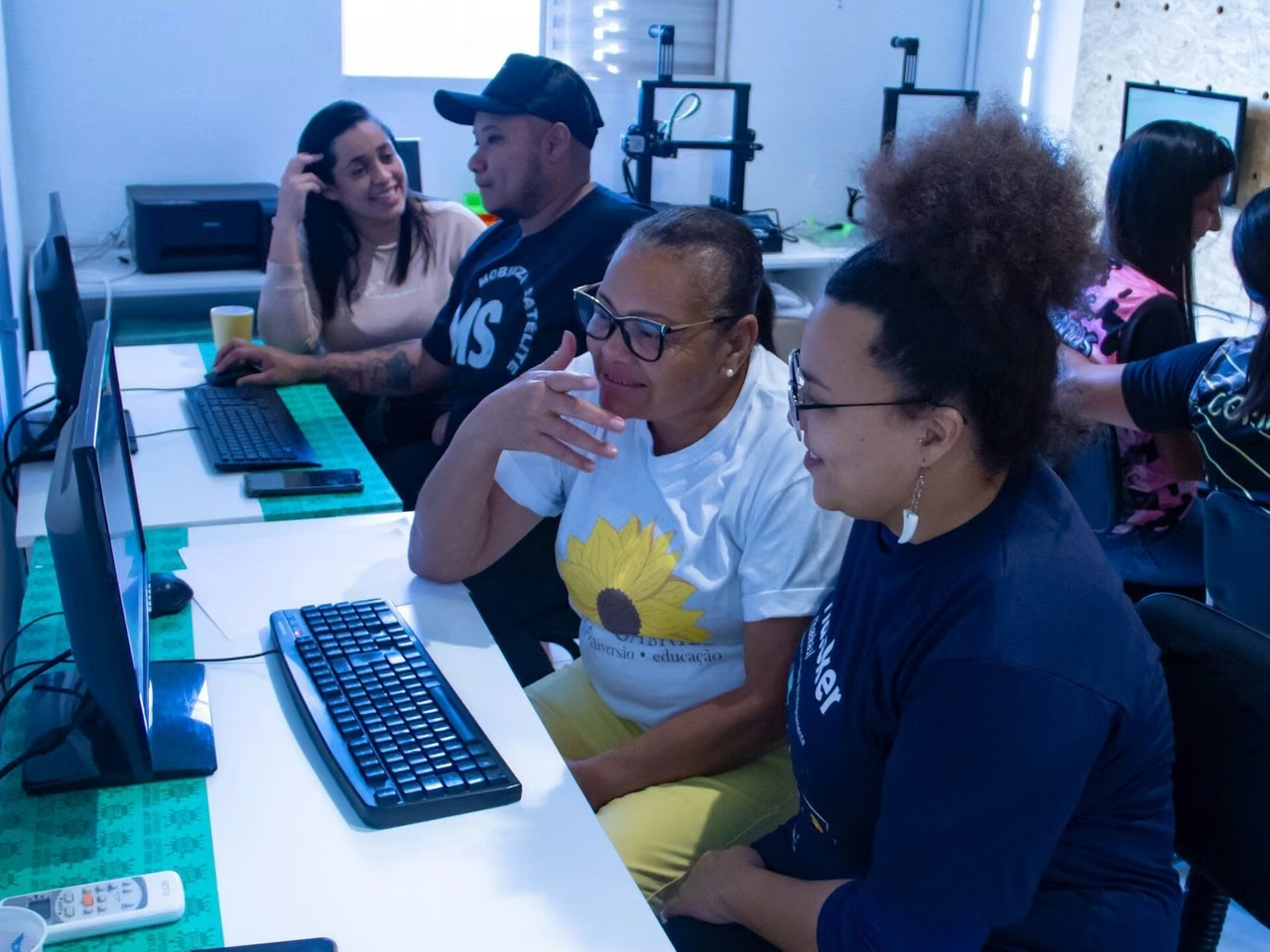
Over time, Casa Hacker consolidated itself as an association and kept its doors open to the community. More than that, it invited us to be part of the network.
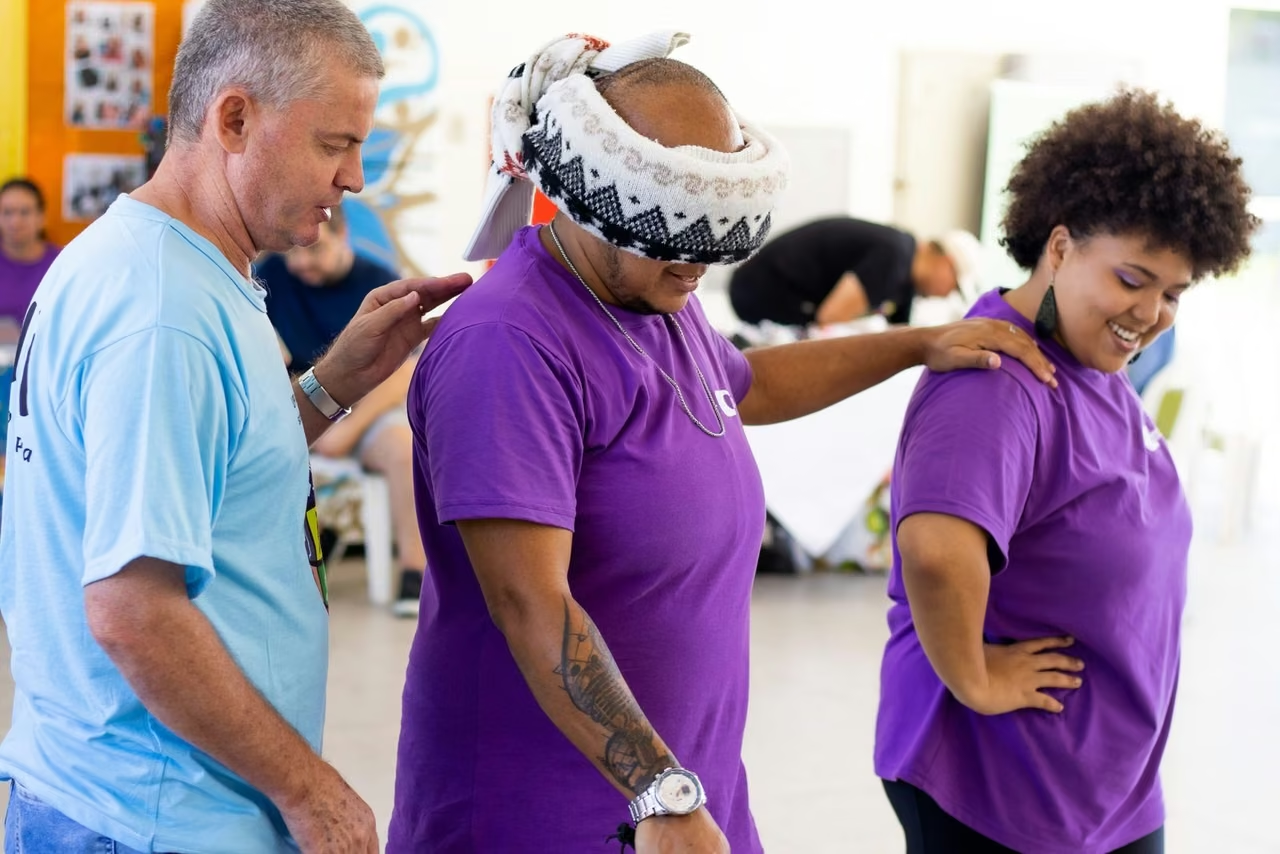
In 2019, Nyak—a singer, social educator, and project manager—and I participated in a podcast made by students from Escola Estadual Tenista Esther Bueno, in Jardim Rossin. The activity was part of a workshop conducted by Casa Hacker. From that encounter we were invited to perform, with a fee, at the organization’s first festival.
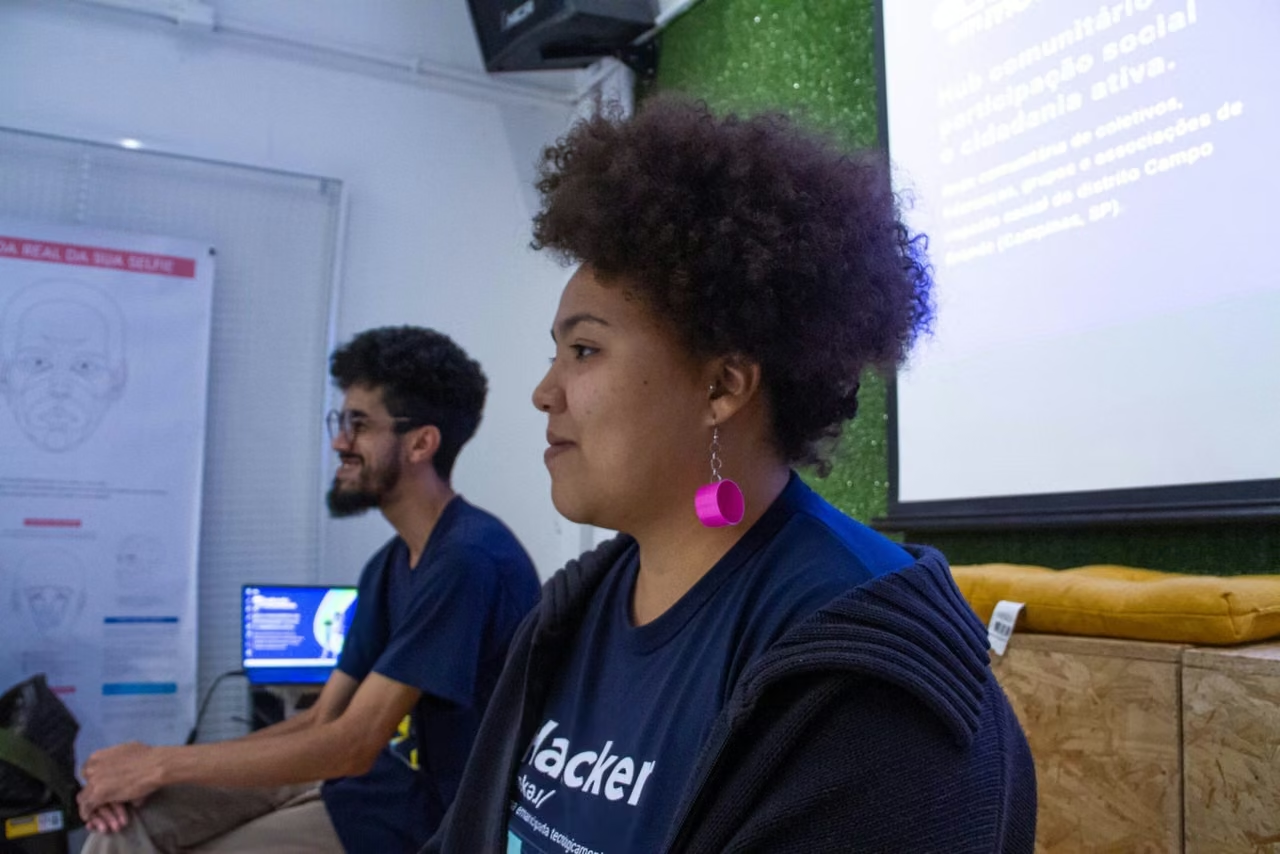
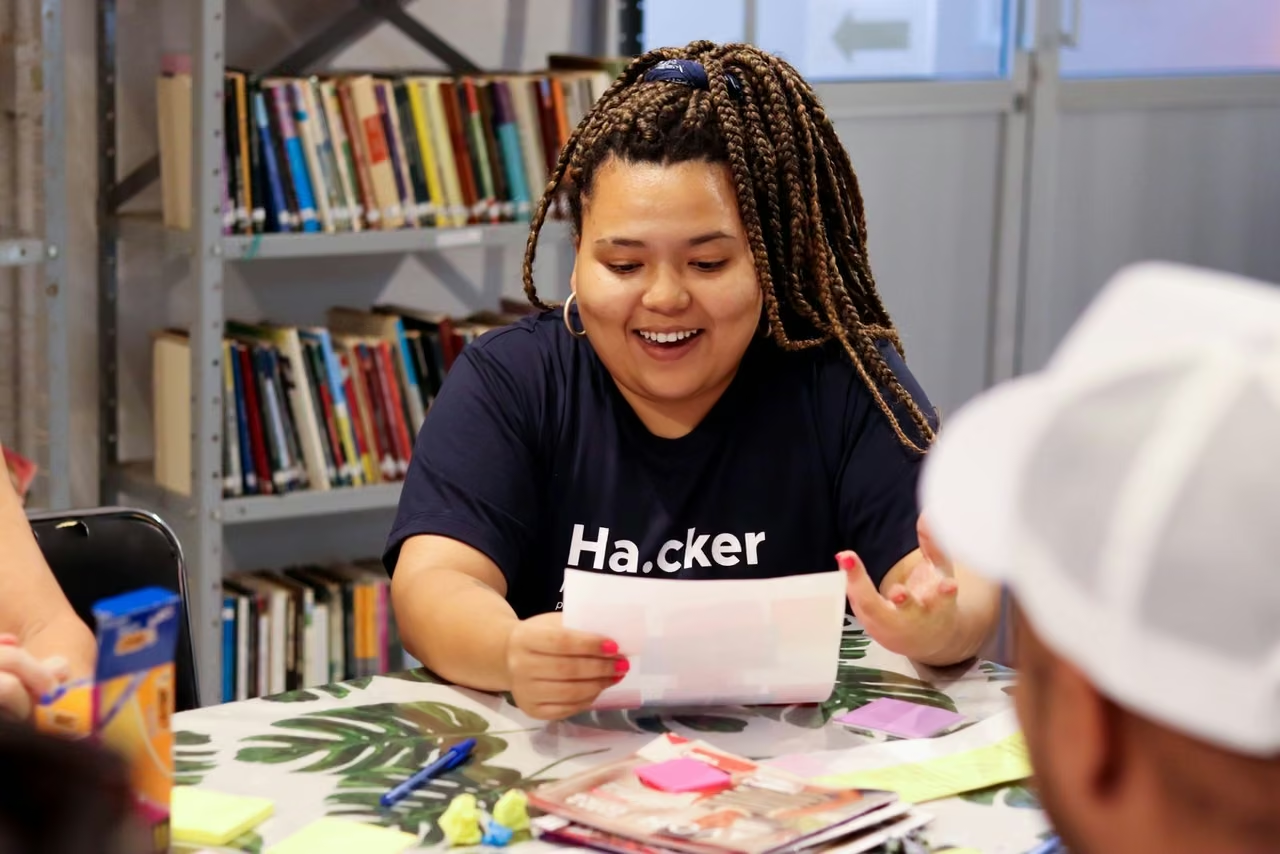
It was at that moment I realized there was still much to learn. We then decided to participate in the first training track of what would become the Quebrada em Movimento Active Citizenship Hub. The very name of the hub was born from a collective process, with active participation from the community, something I had already been observing in the way Casa Hacker built its initiatives.
Suddenly that movement had an identity. The name began circulating in neighborhood conversations. Some people supported it with enthusiasm, others looked at it with distrust. For those observing from the outside, the institutional connections seemed to appear too fast. But only those on the inside knew the scale of the dream being driven and how much every step represented an achievement built in the present.
After much learning and many exchanges, an opportunity arose that changed my life. And I don’t say that as a romanticization.
In 2022 I took over the management of the Quebrada em Movimento Active Citizenship Hub, a project that supports impact leaders operating in the Campo Grande territory in Campinas.
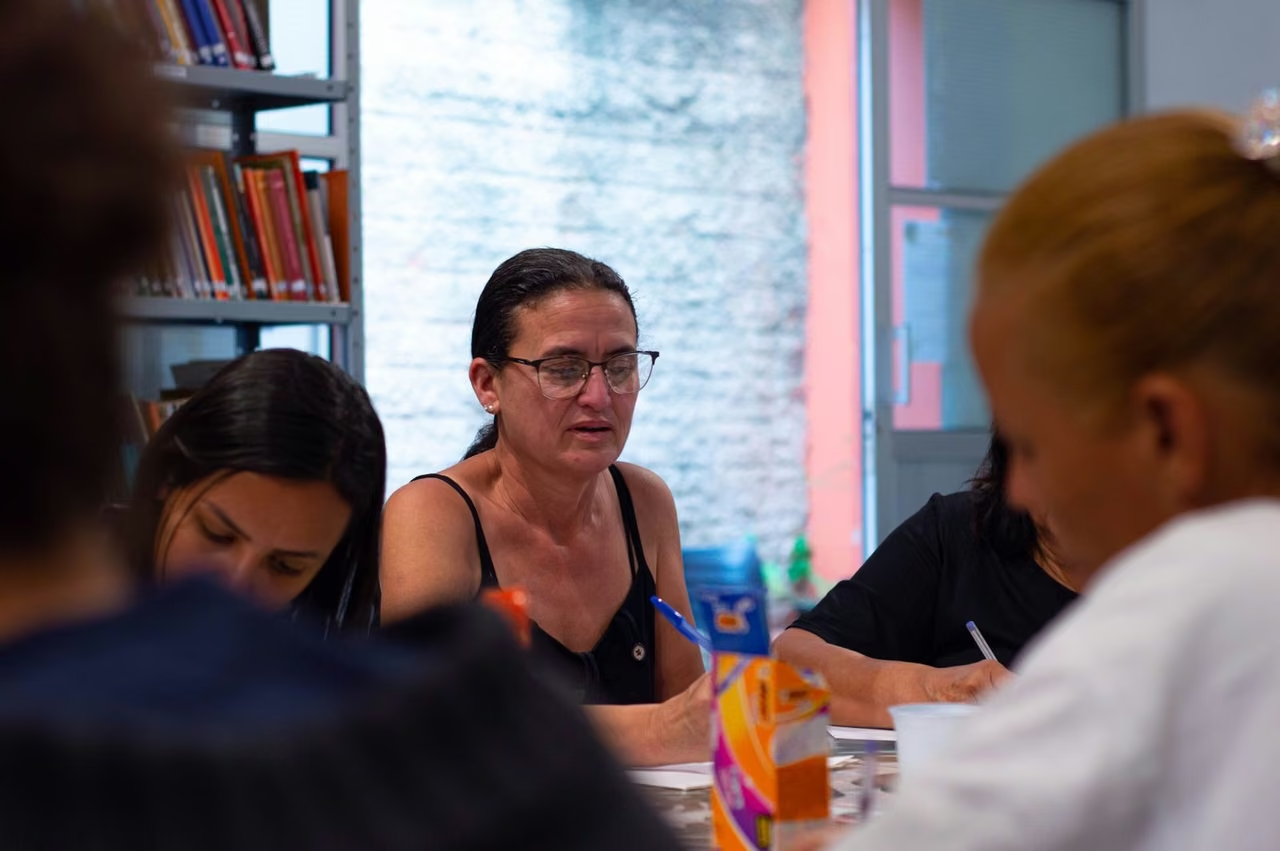
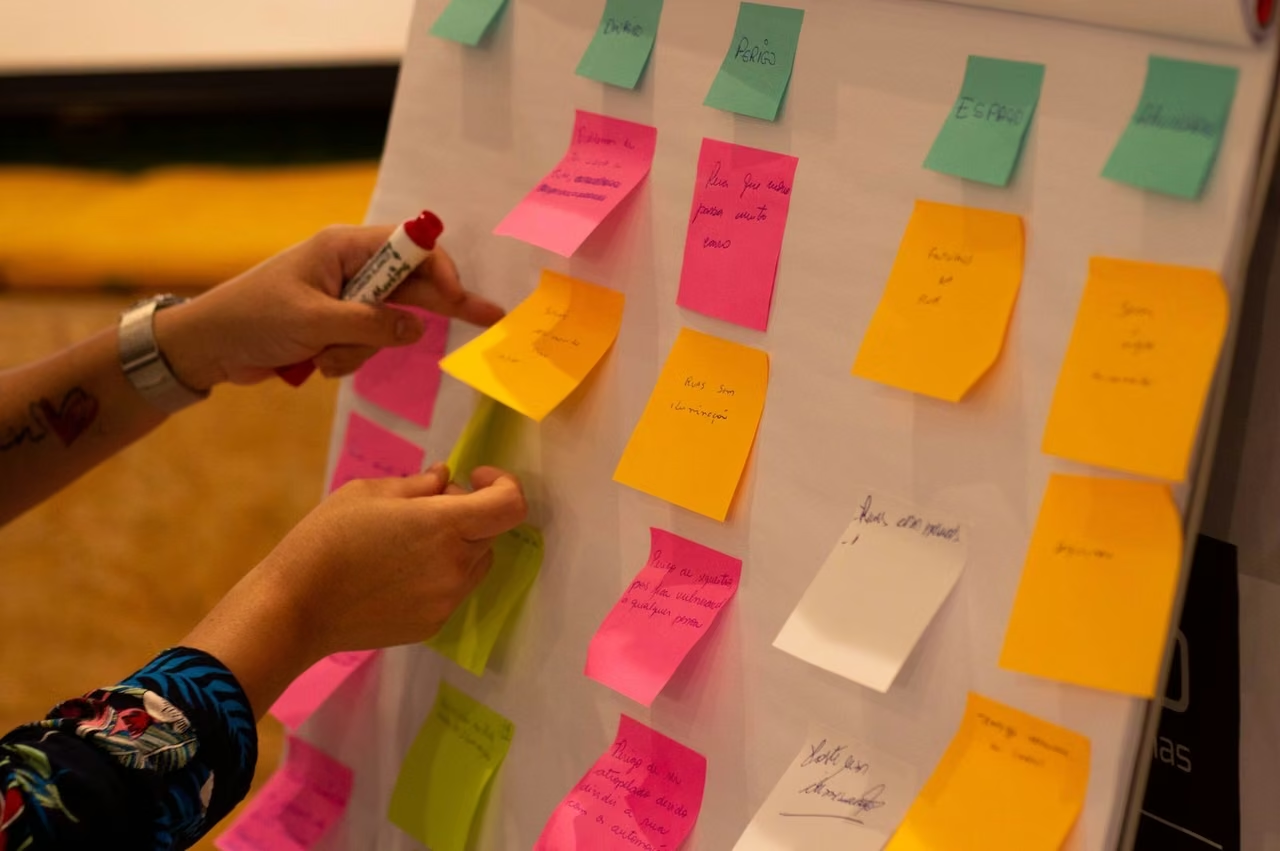
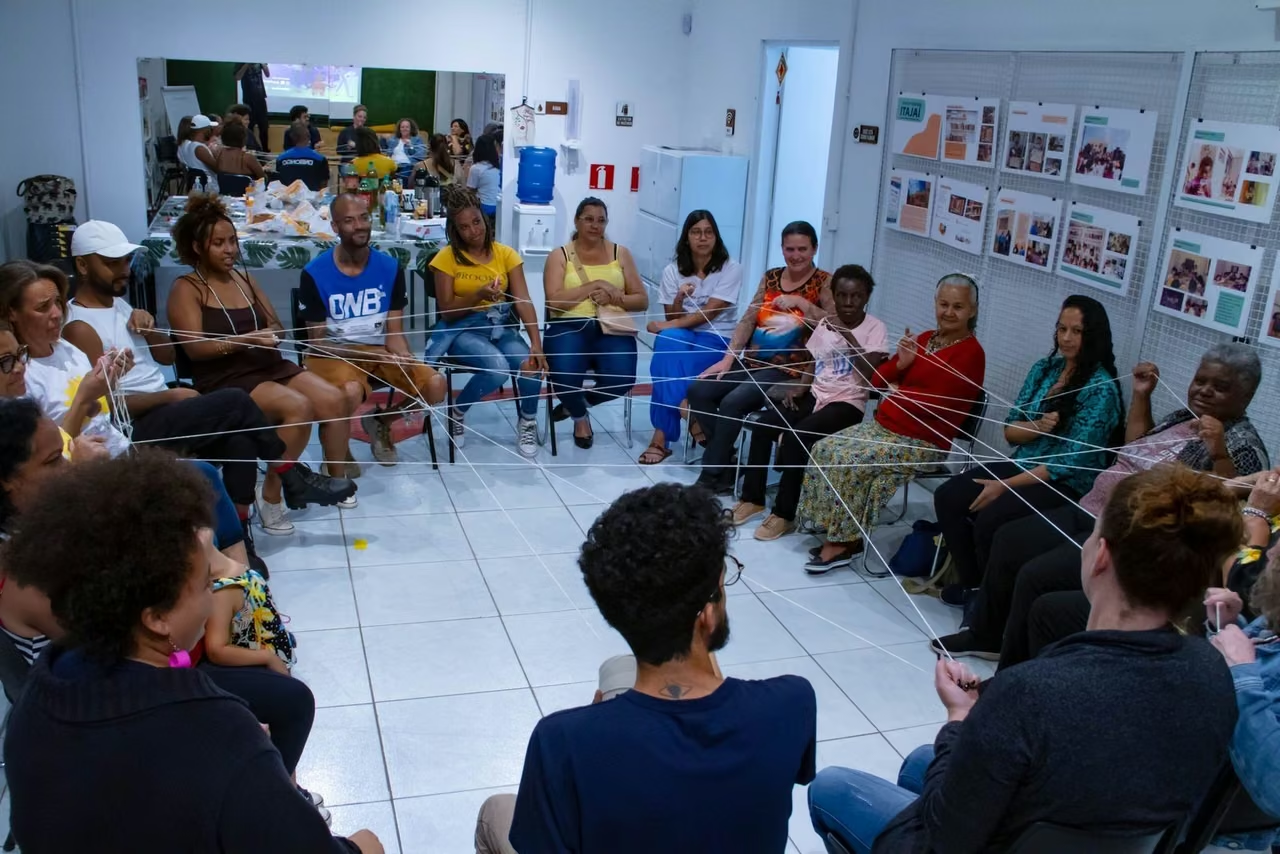
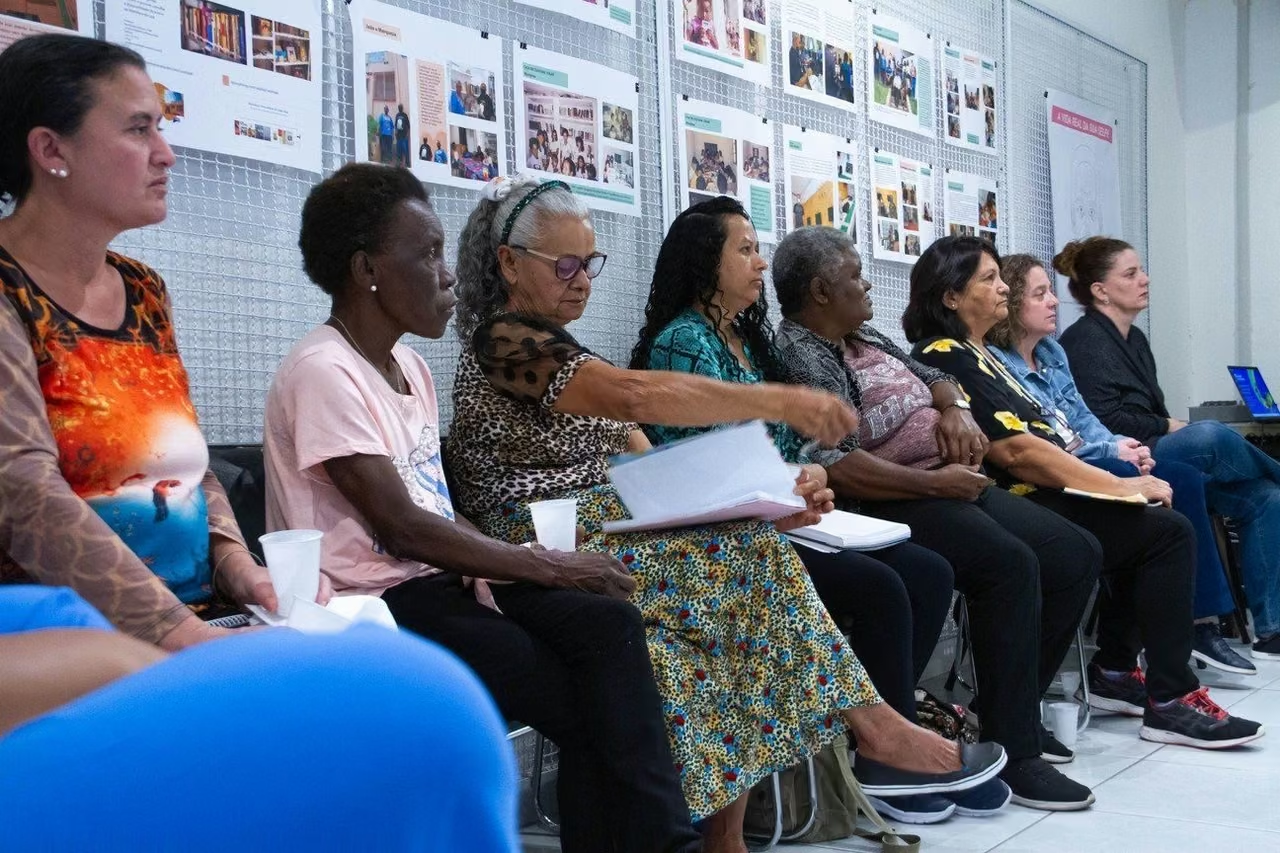
The purpose of the hub is to recognize and strengthen initiatives that already exist in communities. Often these are projects that improve people’s lives, but remain invisible to a large part of society. There is a lack of structure, a lack of human resources, a lack of investment. Even so, these initiatives happen.
The project’s work is to offer listening, technical support, and investment so that what is born in the territory can gain strength and continuity.
Ever since the first activity I participated in, there is a phrase that has never left my mind: The periphery has the wisdom and the capacity to solve its own problems. What it lacks are resources.
Throughout these years living with curious, organized people deeply committed to their communities, a lot changed in me. Contrary to what I heard in the past, I didn’t lose my freedom.
I managed to build a routine that encompasses different dimensions of my life, including artistic career management, work with socio-environmental impact projects, music creation, and audiovisual production.
Along this journey I also gained access to stories that were very close to me, but that I might never have known under other circumstances. I made important friendships, learned to deal with conflicts, and developed a greater capacity to reflect on my own choices.
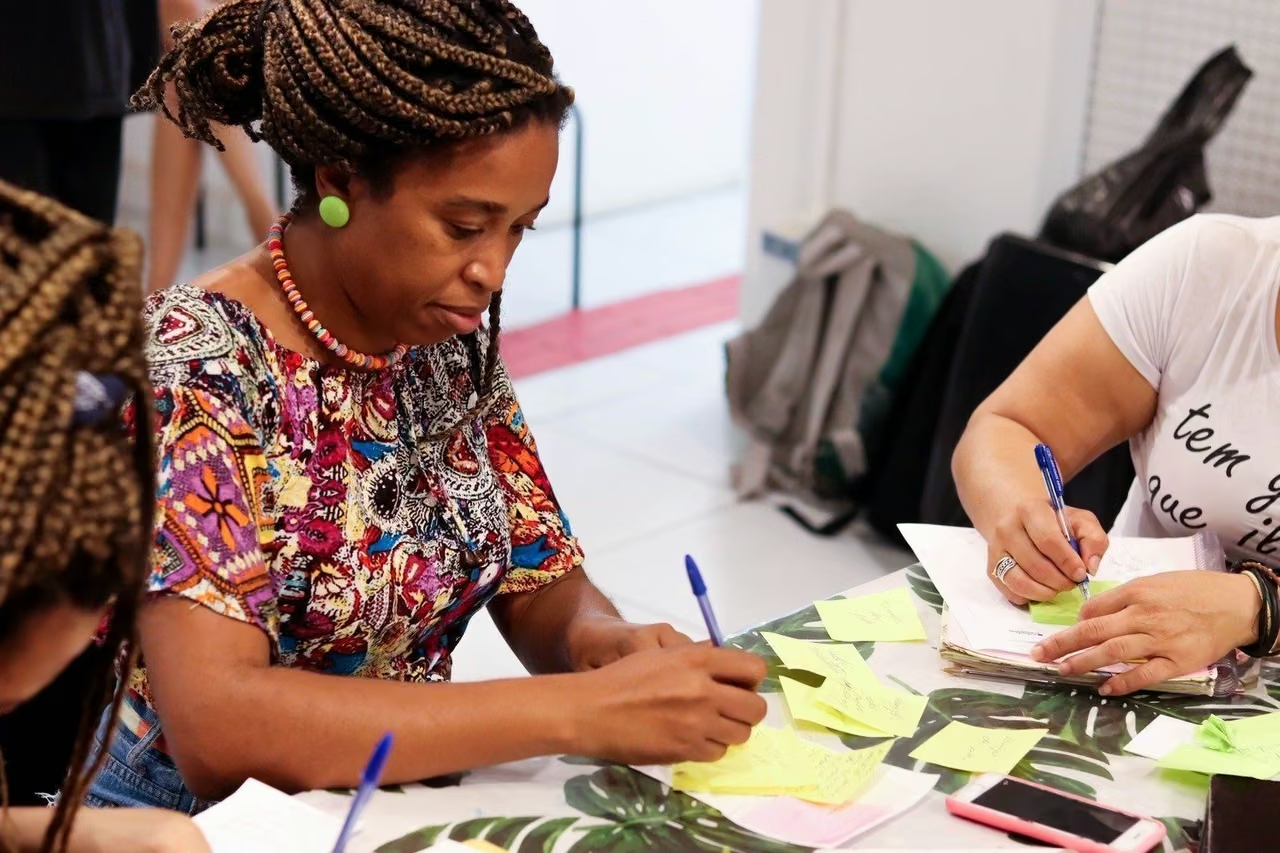
Over time I also began to develop evaluation tools for social initiatives. Curiously, many of these tools began to be used also to improve businesses, cultural projects, and even personal development processes.
Deep down I realized that I never wanted to bureaucratize what we were doing. What I sought was something simpler and at the same time more powerful. I wanted to build achievable results and have data that could demonstrate what the community already accomplishes every day.
I wanted to have arguments to answer when someone claims that the favela hasn’t won. The answer I learned to give is simple. It hasn’t won yet. But there are many steps being built so that this day arrives.
Today I continue working at Casa Hacker, now leading the Integração Hub, an initiative that connects and strengthens hubs installed in three peripheral territories of Campinas.
My work consists of articulating networks, supporting teams, and expanding the impact possibilities of the initiatives born in these territories.
Every project that emerges, every person who finds space to develop an idea, reinforces something I learned along this journey. The transformation we seek is not individual. It is collective and happens when communities have access to resources, tools, and opportunities to develop what they already know how to do.
We keep going together in this construction.
A hug and much light.
Marcelo Oliveira Dustin Maia